
Chittaurgarh is another sleepy town most noted for the immense Chittaurgarh fort that stretches over 7 miles in length. It was built by the Maurayans in 7th century A.D. The fort is one of India’s most revered forts and was the scene of some of the bloodiest and most tragic events in this regions history. With its formidable fortifications and a population of almost 100,000 people, the city was one of the most fiercely contested seats of power in India. Despite its seemingly impregnable fortifications, it was overrun and sacked no less than three times (1303, 1535 and 1535) during eight centuries of Sisodia rule. Each time, its people chose death before dishonour.
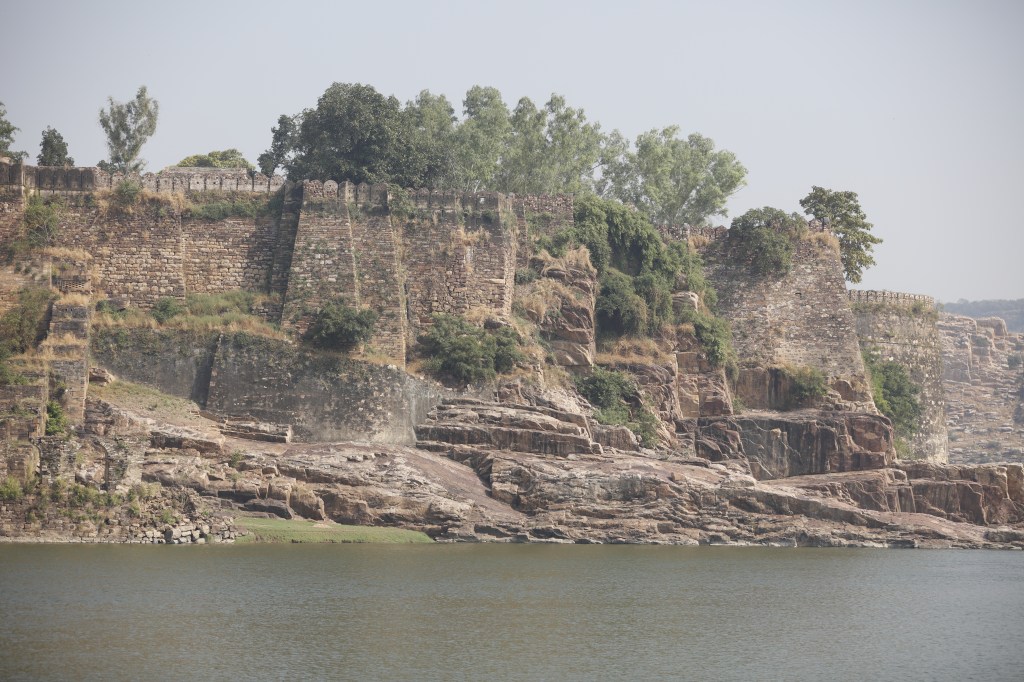
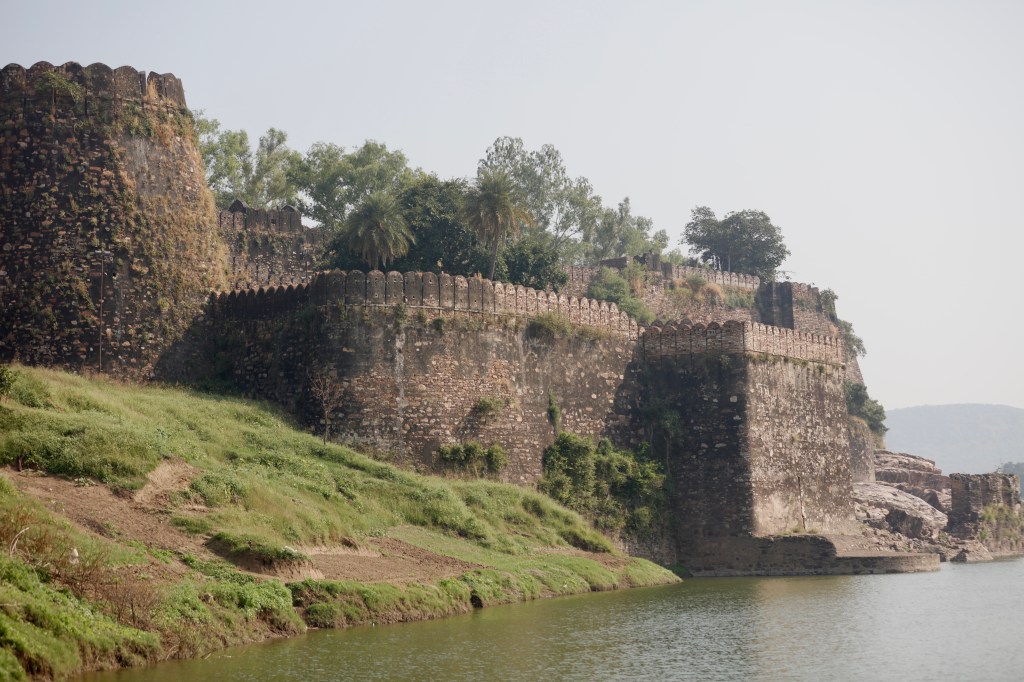
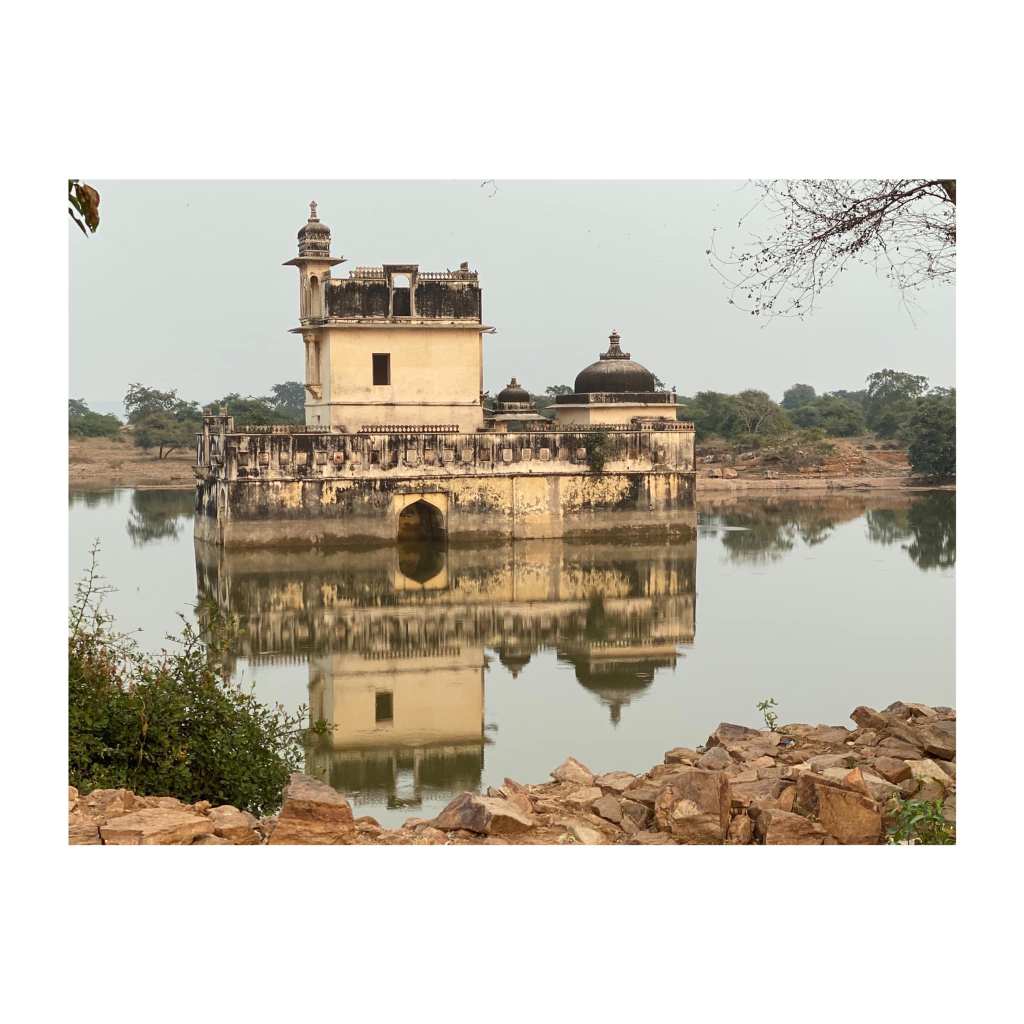
Before the 1303 sack, Alauddin Khalji, Sultan of Dehli, intrigued by tales of the matchless beauty, wit and charm of Panmini, Rani of Chittaurgarh, decided to verify this for himself. His armies surrounded Chittaurgarh and the sultan sent a message to Rana Ratan Singh, Padmini’s husband, that he would spare the city if he could meet its famous queen. The compromise finally reached was that the sultan could look upon Padmini’s reflection if he came unarmed into the fort. Accordingly, the Sultan went up the hill and glimpsed a reflection of the beautiful Padmini standing by the lotus pond. He thanked his host and left, only to eventually attack the castle. Surrender was unthinkable. The rani and her entire entourage of women, the wives of generals and soldiers, sent their children into hiding with royal retainers. Dressed in their wedding finery, they then said their farewells, and singing hymns, boldly entered the massive communal funeral pyre and performed johar. The men the donned saffron robes, smeared the holy ashes of their women on their foreheads, flung open the gates of the fort and thundered down the hill into the enemy ranks to fight to the death. Inside the fort is a large depressed area of land where the johar was performed three times.
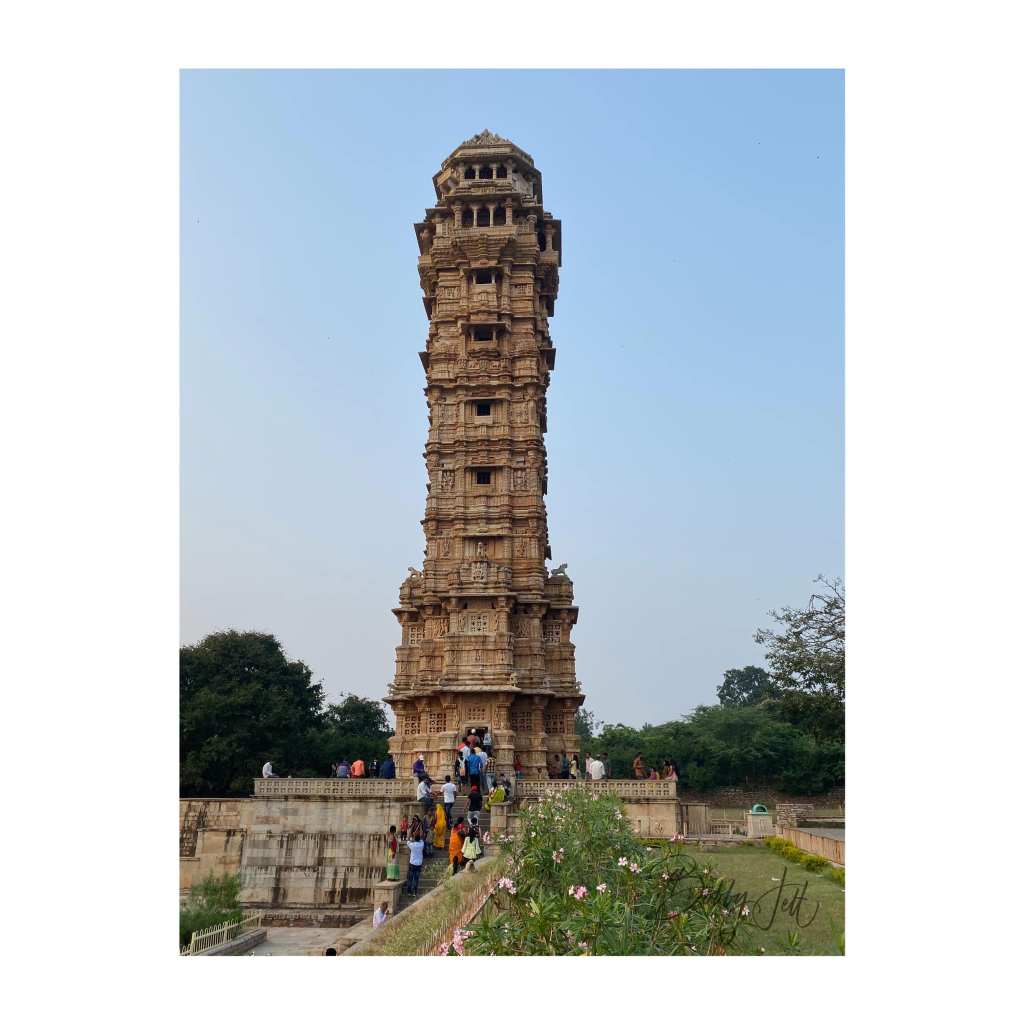
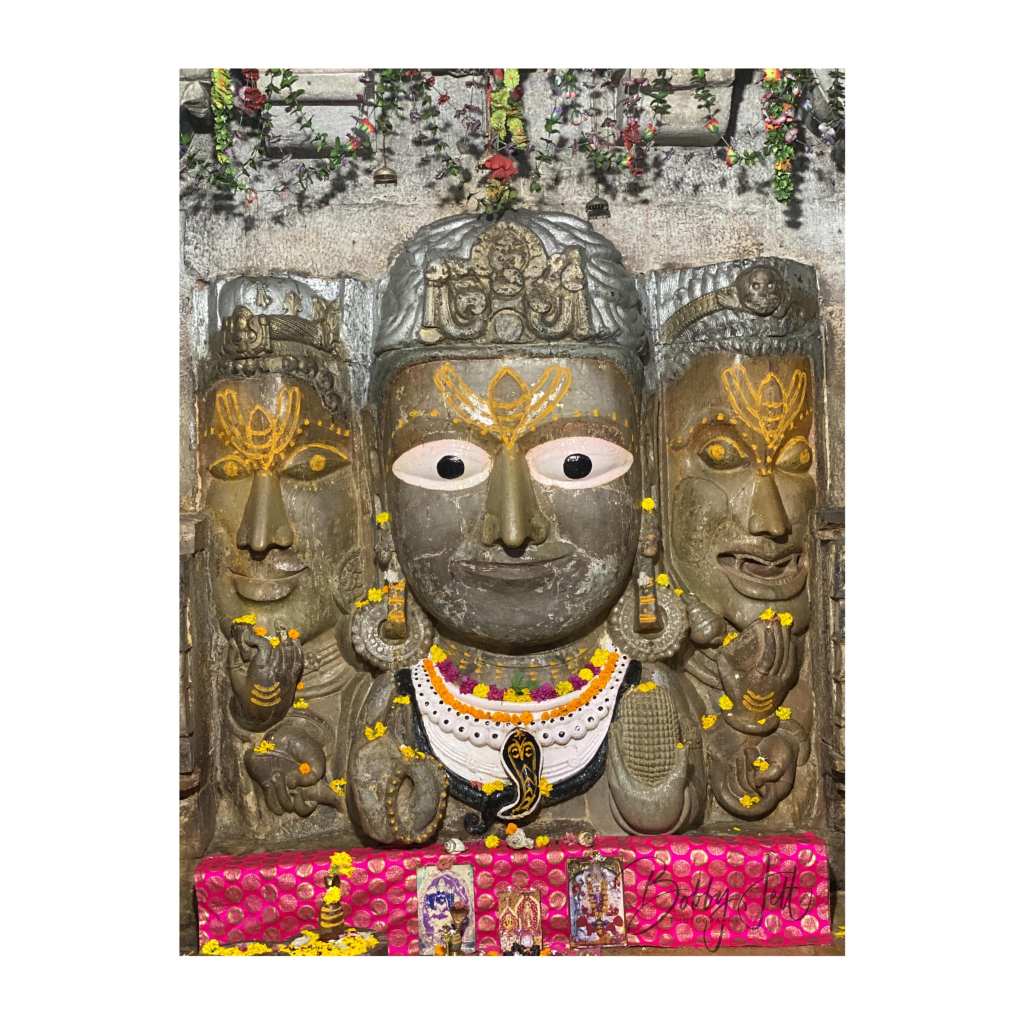
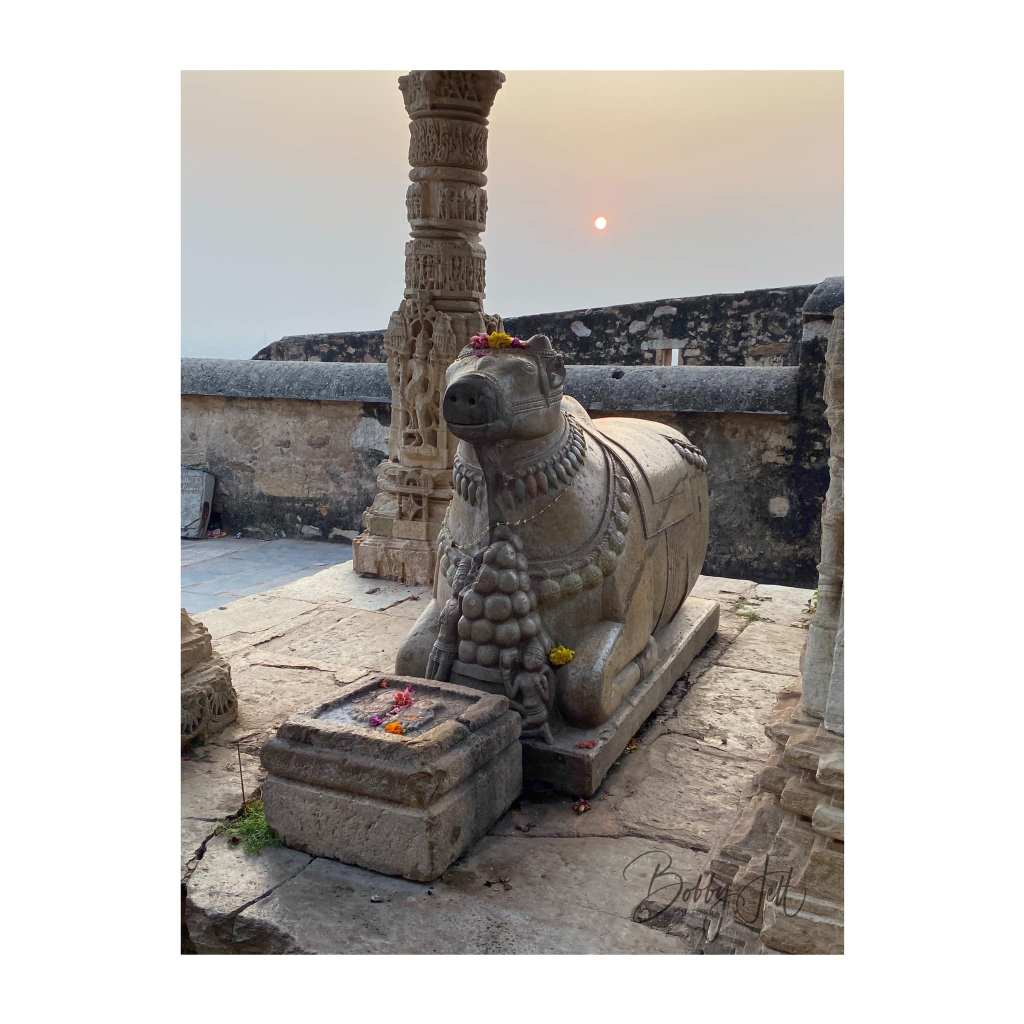
Also inside the fort are two temples, the Kumbha Shyam Temple, built in 1448 and dedicated to the Varaha (boar) incarnation of Lord Vishnu and a smaller temple commemorating the famous devotional princess poet and devotee of Krishna, Mira Bai. South of here is the Vijay Stambh (Victory Tower), commissioned by Rana Kumbh to commemorate his victory in 1440 against the combined might of Sultan Mahmud of neighboring Malwa and Sultan Ahmad Shah of Gujurat. (Yes, he KICKED ASS!) Built of limestone the tower is 120 ft high and can be seen from miles away. It is decorated with elaborate carvings of images of Hindu gods and goddesses.
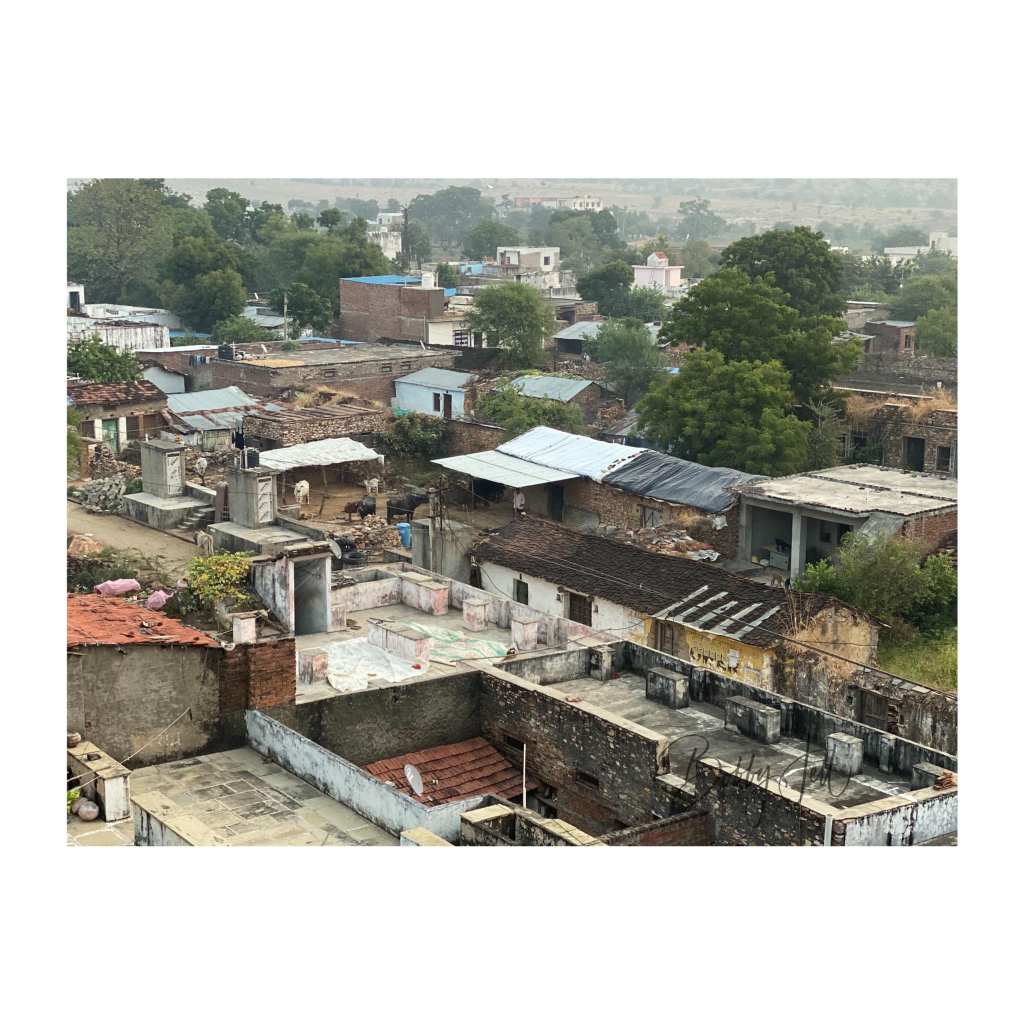
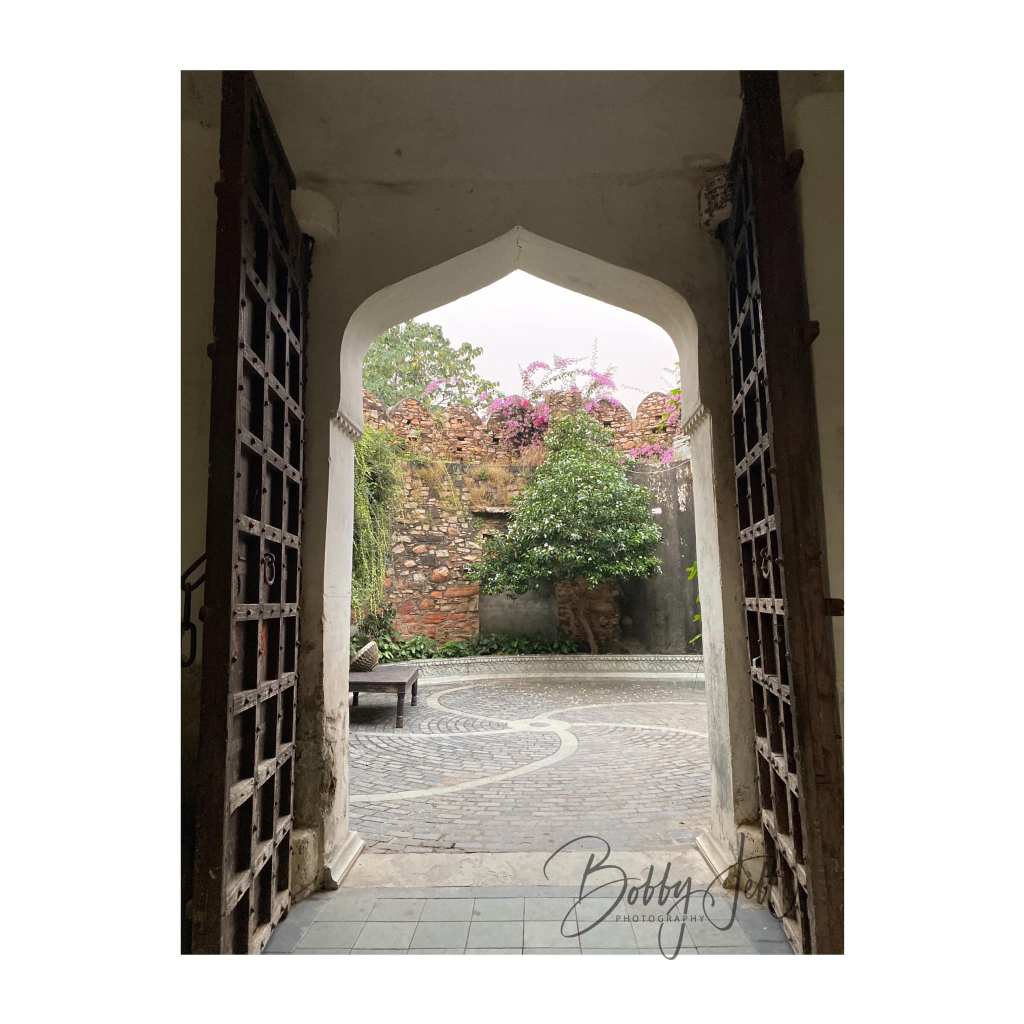
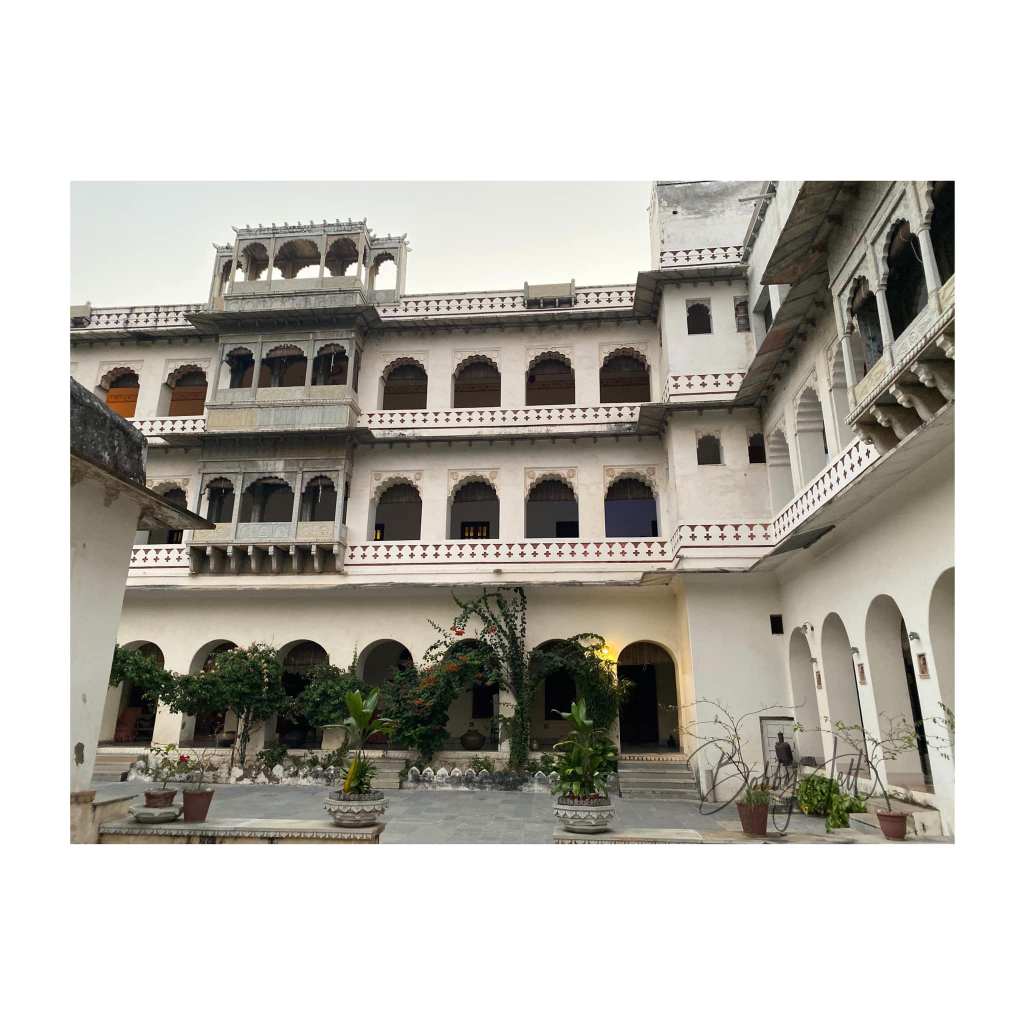
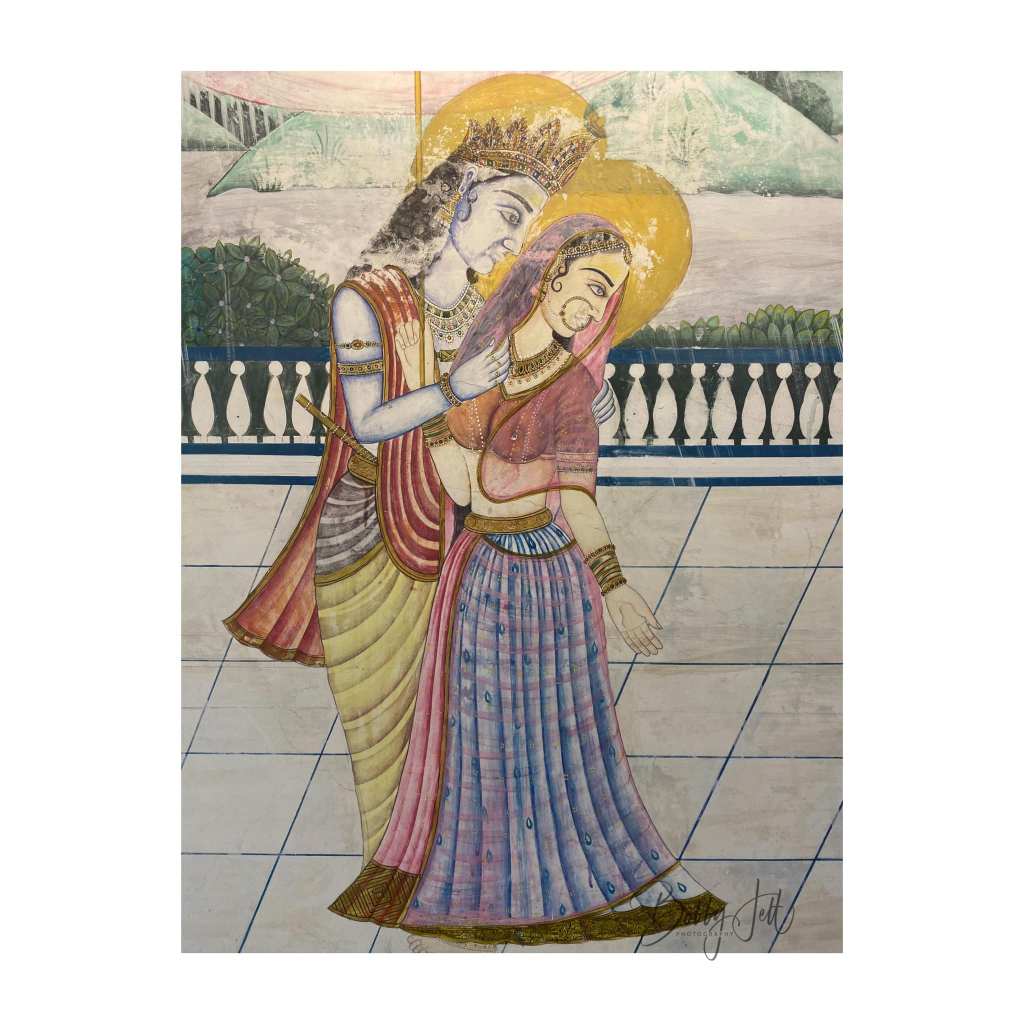
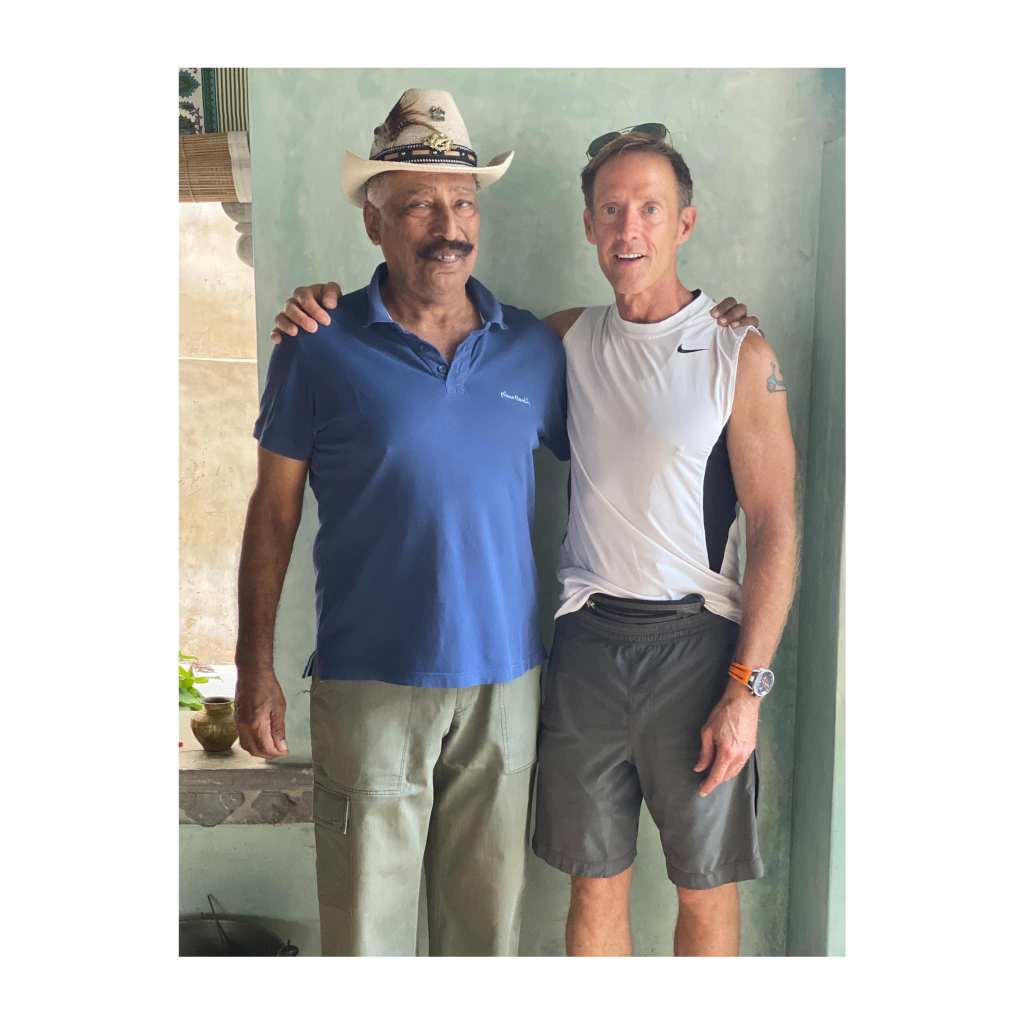
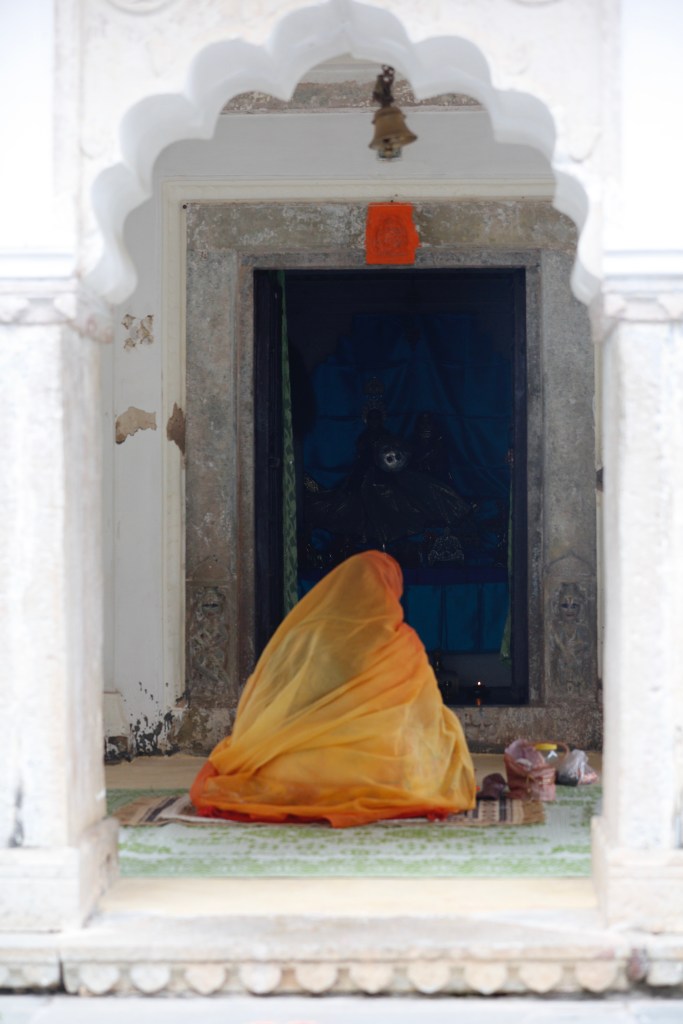
That evening I stayed at the Castle Bijaipur. The 16th century Castle, situated in fortified walls, was converted to a hotel in 1991 by the ruling family. The small village of Bijaipur is just outside the castle walls, and the Castle is still home to the ruling family, who live in a large separate building just across the courtyard from the castle. The grounds were lush and green with palm trees as well as many flowering shrubs and gardens. Their is a impressive temple in the middle of the courtyard next to the pool. On the morning I left i found the Queen saying her morning puja in the temple. The King graciously agreed to a photo with me before I left. He had a wonderful sense of humor. We chatted about meditation and yoga. I asked him if he meditated both morning and evening, and he laughed and very hearty laugh and said ” No! I meditate in the morning but i drink in the evening!”
 INDIA: A ROYAL RAJASTHAN ADVENTURE WITH DELHI, VARANASI, GUJARAT and THE ANDAMAN ISLANDS.