
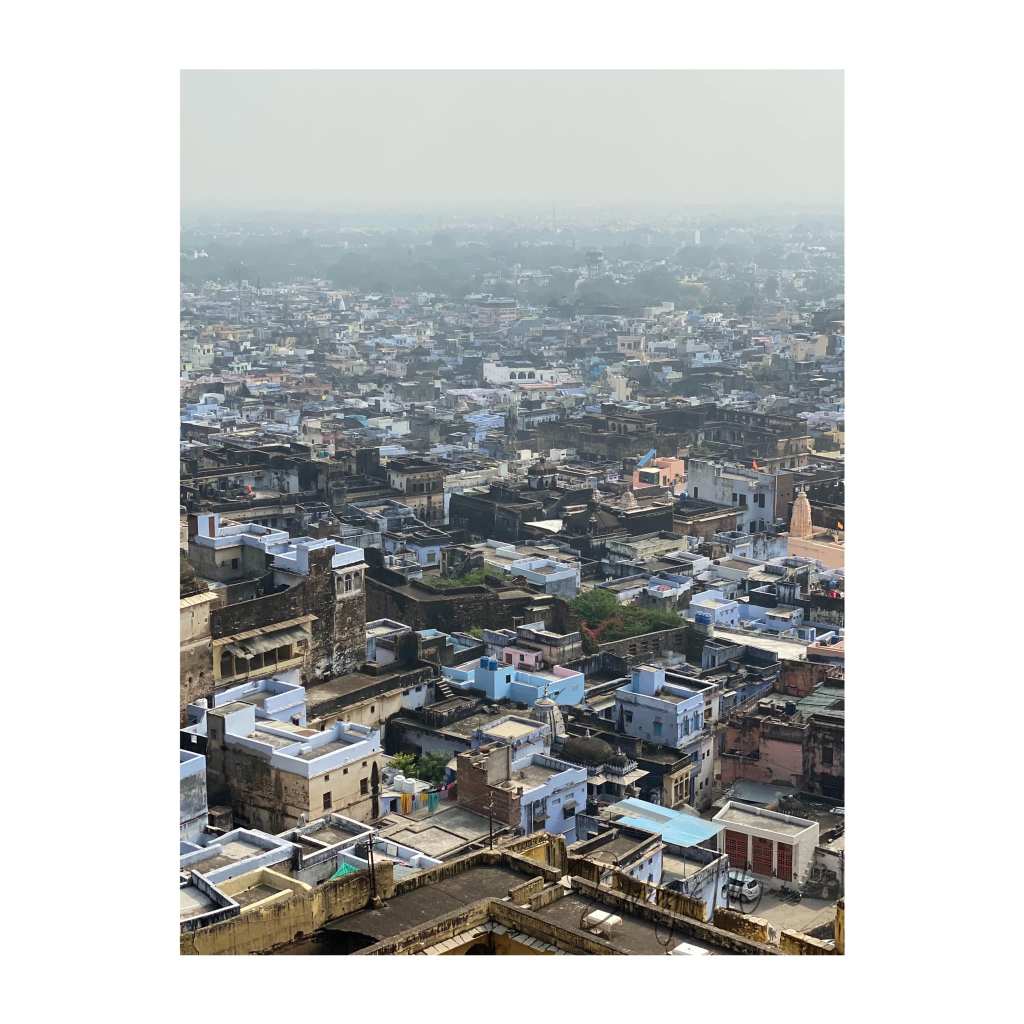
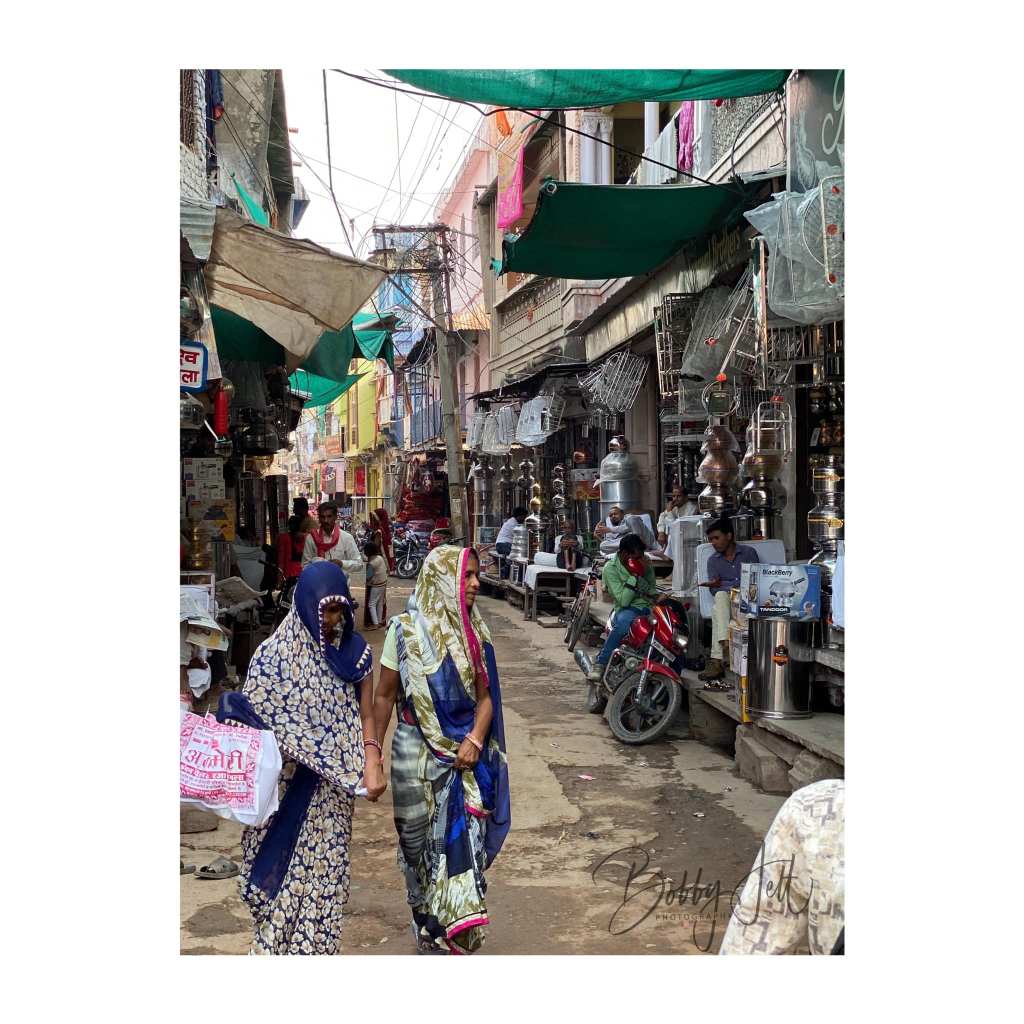
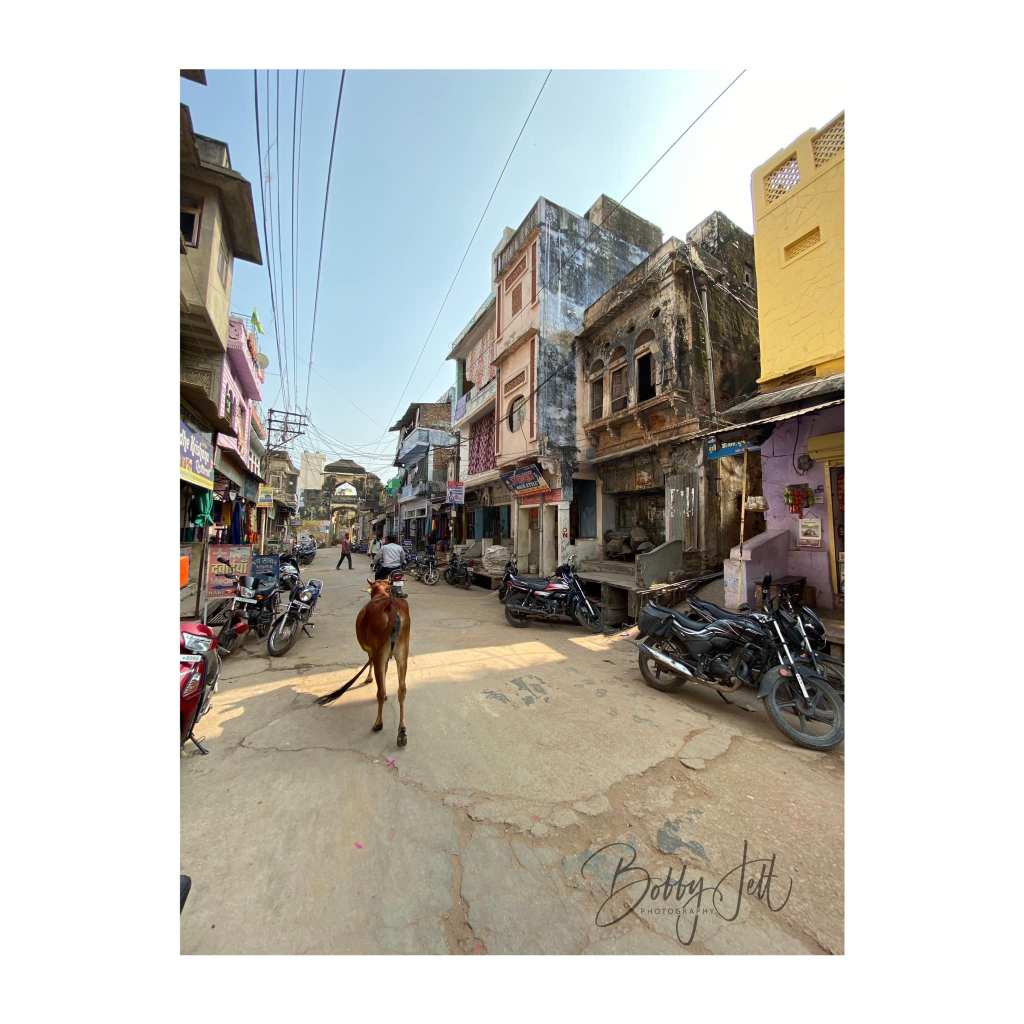
Bundi has a population of around 10,000 and takes its name from the bindo or bando nal, the narrow passage between the rugged hills. The town is referred to an open air art gallery, with many of its old buildings and havelis decorated with colorful murals and artwork. In recent years it has begun rivaling Pushkar as a favorite retreat for tourists. It has, however, managed to maintain its authenticity and looks relatively untouched. There are many 60 fascinating stepwells, temples, and colorful blue washed house. From uptop, the town very much resembles Jodhpur with its many blue painted houses. Few places in Rajasthan retain so much of the magical atmosphere of centuries past.

Bundi came into its own in the 12th century when a group of Chauhan nobles from Ajmer pushed south by Mohammed of Ghori. They wrestled the Bundi area from the Mina and Bhil tribes and made Bundi the capital of their kingdom, known as Hadoti. Bundi was generally loyal to the Mughals from the late 16th century on, but it maintained its independent status until incorporated into the state of Rajasthan after 1947.
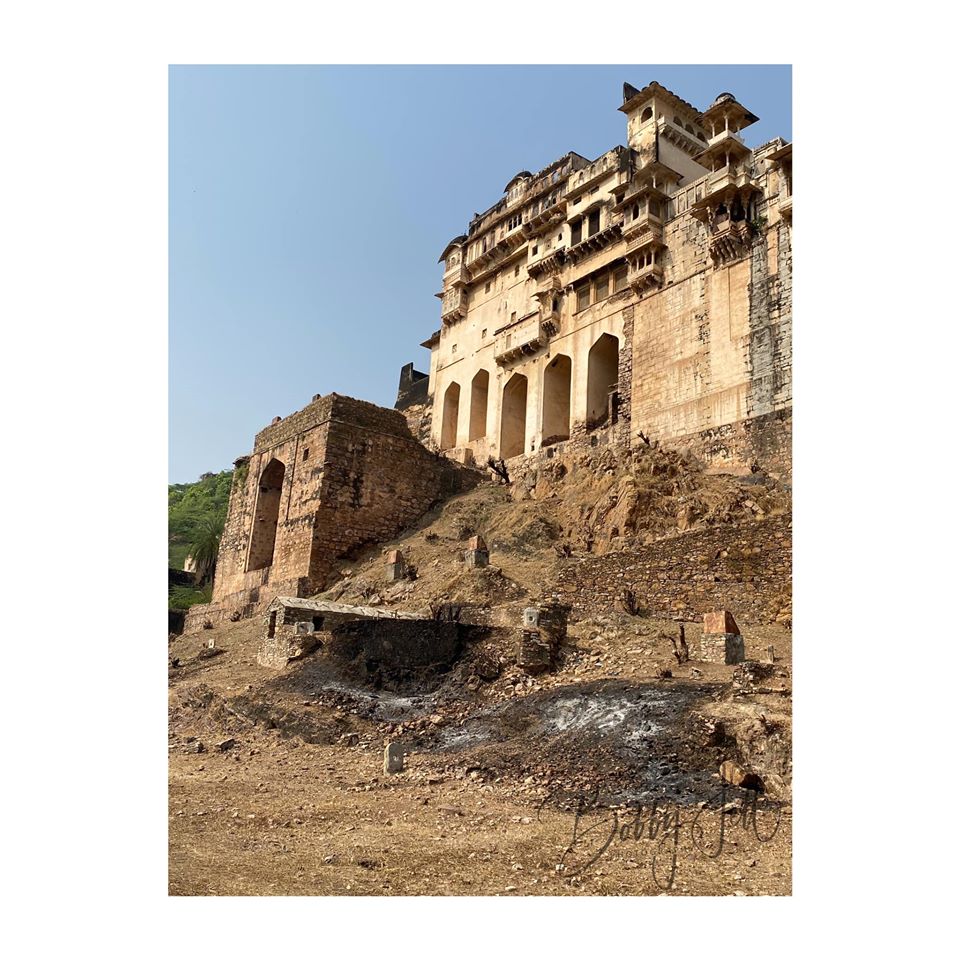
My local guide gave me a wonderful tour of the Chitrasala and immense City Palace. The Palace looms high above the colorful town below. The Chitrasala is a small 18th century palace within the City Palace complex built by Rao Ummed Singh. Many of the rooms are adorned with original paintings in the Bundi style of art. There is a hall of mirrors overlooking a beautiful garden where the ladies of the palace used to gaze at themselves in the many mirrors while enjoying privacy within the garden grounds. Still higher up the mountain is the 14th century Taragarh fort. While it is in a state of decay, its age is obvious and it does give you a glimpse into the past.


 INDIA: A ROYAL RAJASTHAN ADVENTURE WITH DELHI, VARANASI, GUJARAT and THE ANDAMAN ISLANDS.