
Ajmer was a pleasant surprise. Often unjustly referred to as a “stepping stone” for those travelling to Pushkar, this is a city one should definitely spend some time exploring. The two towns of Pushkar and Ajmer are so close that you can see one from the other when you venture up the Aravalli hills surrounding this area. But Ajmer is much larger with a more modern feel, while Pushkar is very sleepy and has more of a village feel. Ajmer is about 80 miles from Jaipur, and contains two of the most important shrines in Rajasthan, one Muslim and one Hindu. Ajmer regularly attracts pilgrims from all over South Asia and the world. Ajmer definitely has a more Muslim feel thanks to the revered Dargah Sharif shrine, burial place and tomb of Khwaja Muin-ud-din Chishti. Born in 1142, in Sanjar, Persia, the saint had a prophetic vision while at Mecca directing him to go to Ajmer. He established the Chishtiyas, the foremost Sufi order in India. Ajmer also is a significant center for the Jain religion.


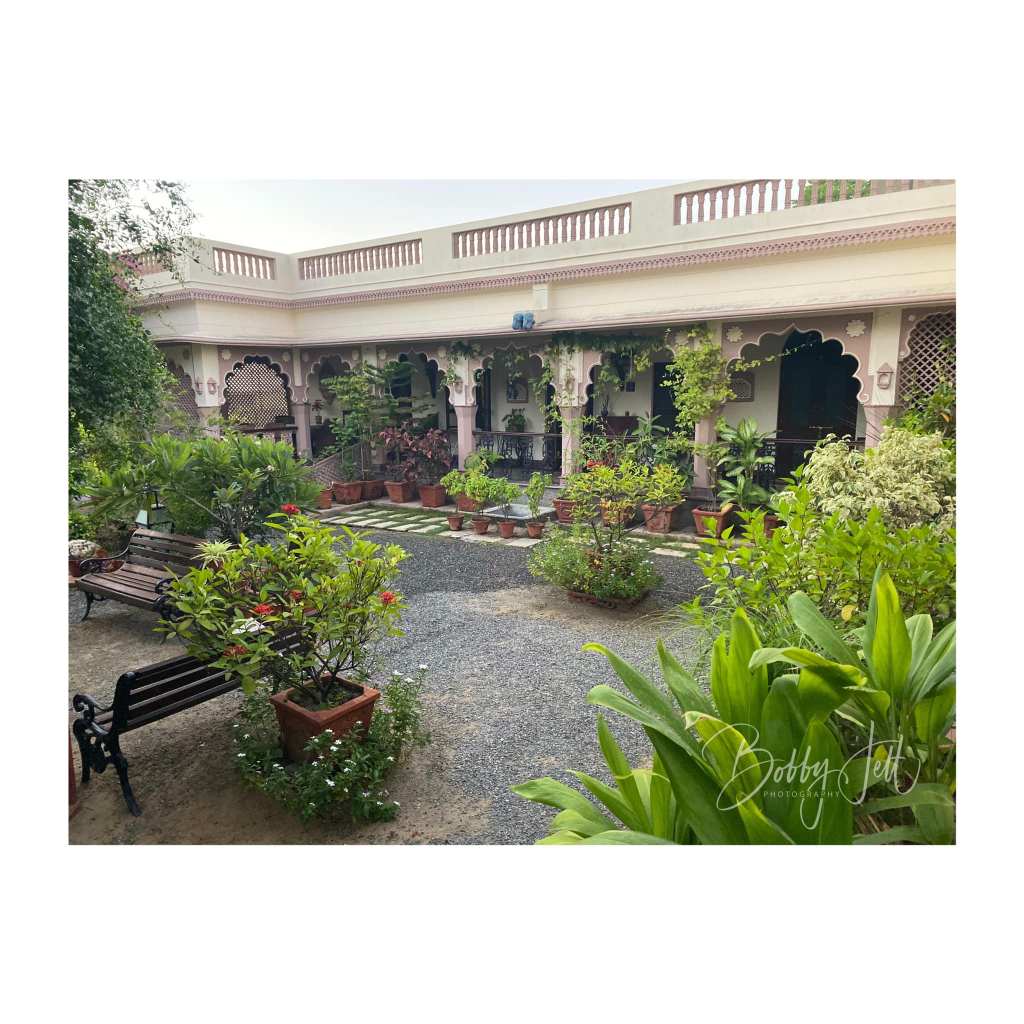
I stayed at the Bandor house, a guesthouse with five heritage style rooms tastefully decorated with period furniture. The original home that has been in the family for generations still houses the ancestral family. Sanjay was the proprietor and my tour guide for the city. He was the consummate host and also served up delicious food on the small terrace. The rooms all face a courtyard with chirping parrots and lots of lush greenery everywhere you look. I felt very much insulted from the busy city, but just outside the gates it was easy to connect to the bustling city. While I was there I was able to use a Golds Gym, which was just a short walk away. Ajmer is very much a modern city, with nearly everyone I saw wearing western clothing. But, there are amazing Muslim and Hindu neighborhoods that very much give you the feel and taste of these particular cultures.
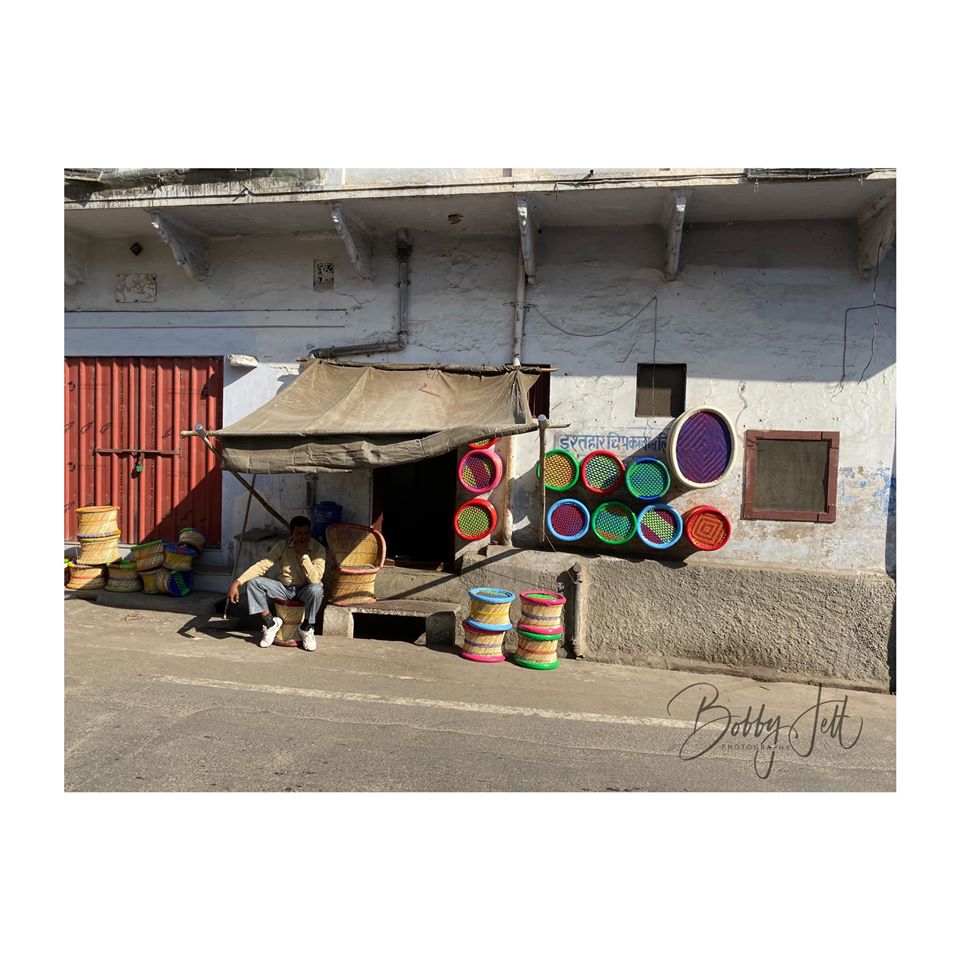
Sanjay took me on a tasty food tour of the local markets, and we had a delicious breakfast during one of our brief stops from touring the temples. All along the streets and alleyways, much like Varanasi and the NAZ area in Delhi, food carts were lined up everywhere. There were Chai stands and textile shops, beads and bangles and everything in between everywhere I looked. I had an excellent lassi and glass of chai along our walk. The chai and lassi are served in small clay cups. After use, they are smashed and again recycled to make new cups. Brilliant!

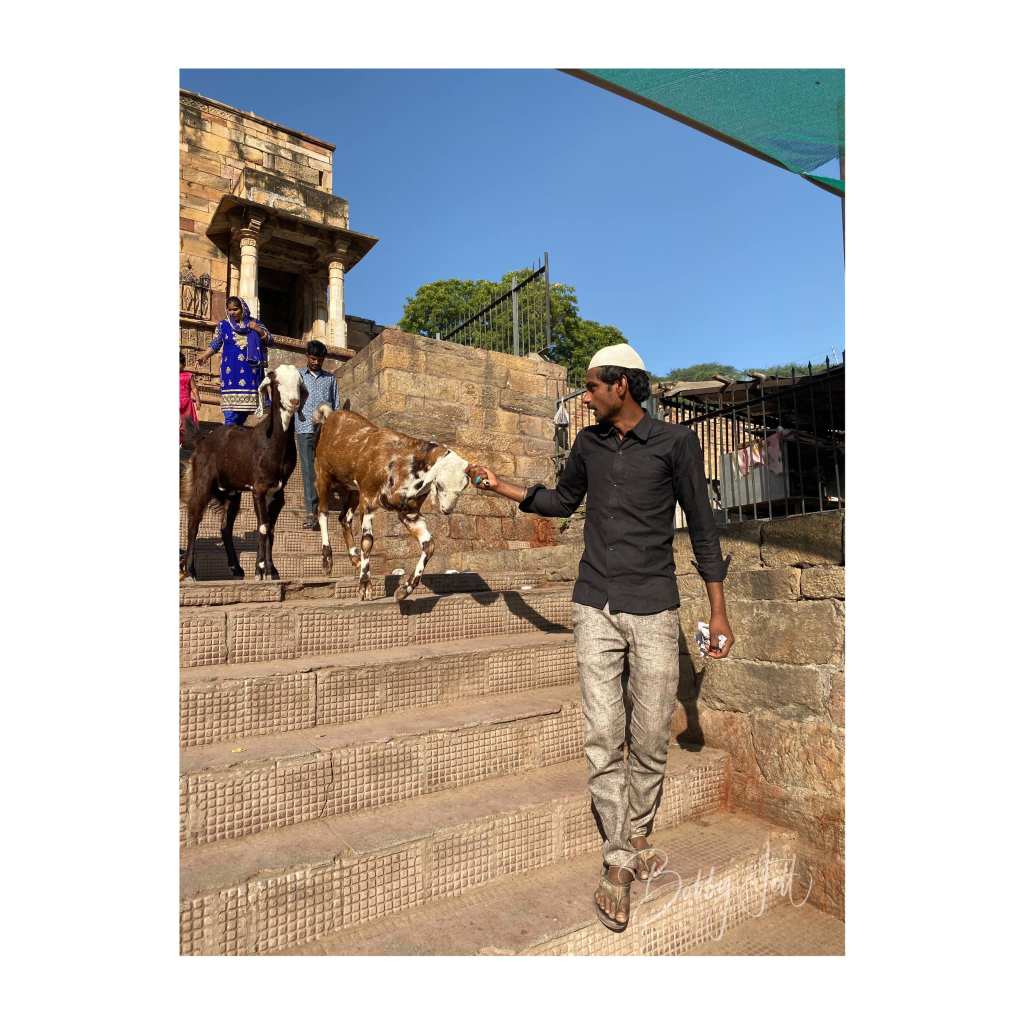

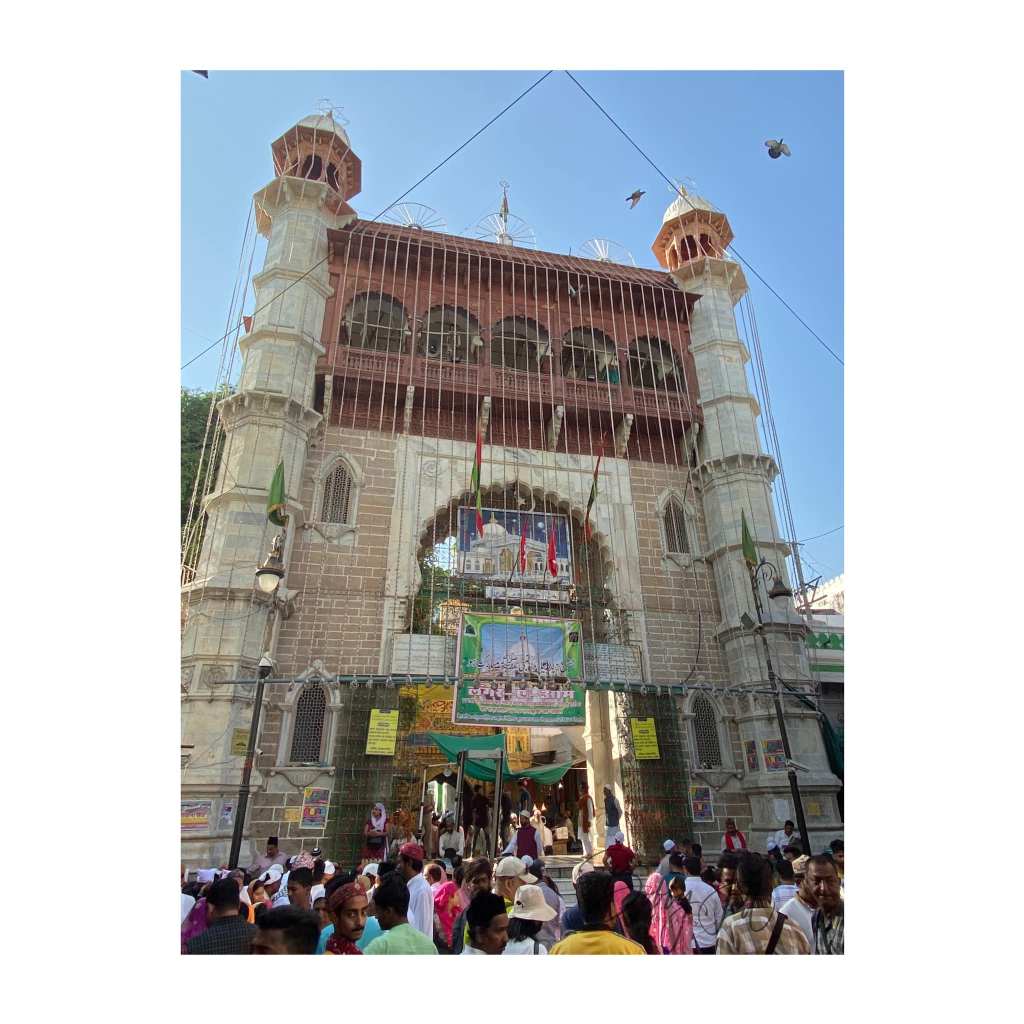
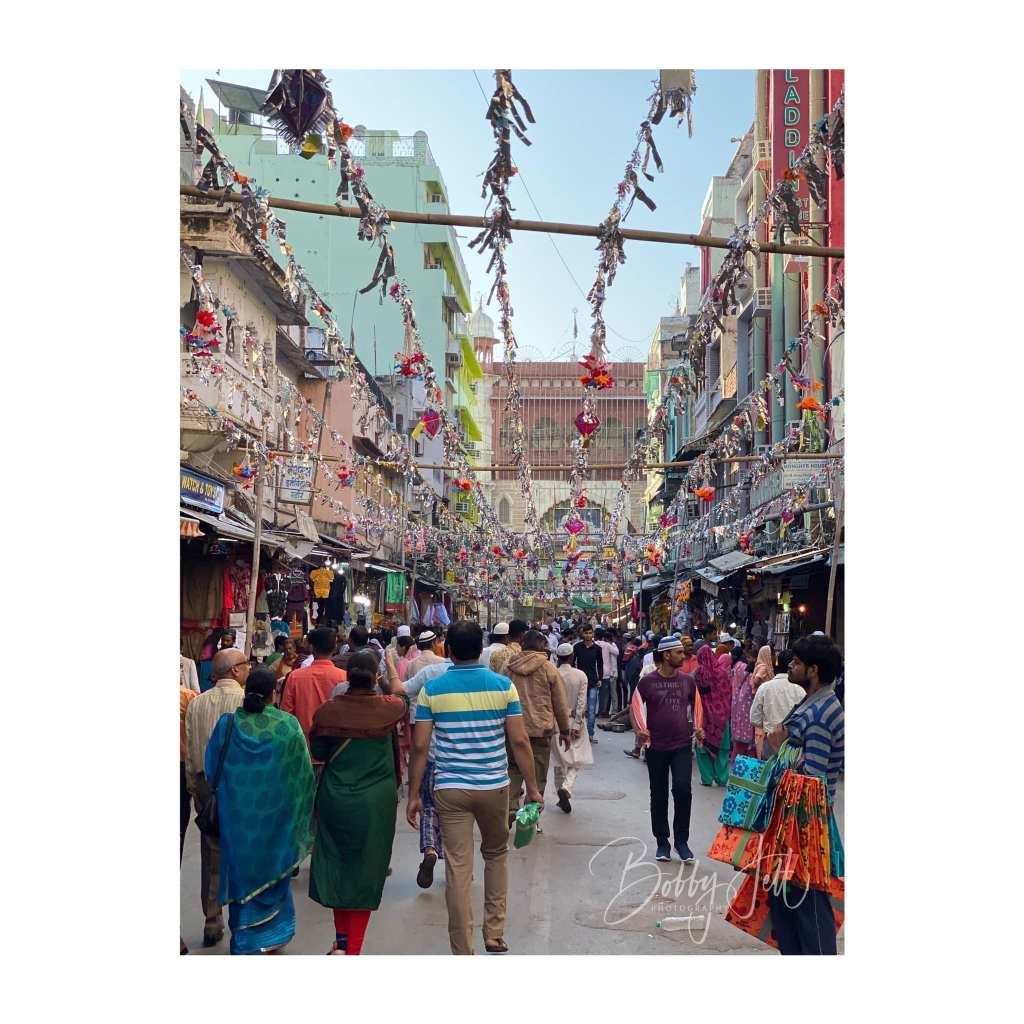
The Dargah Sharif shrine and tomb was magnificent and rose above the end of one of the streets we walked down. It is entered by walking through the Dargah Bazaar. Tinsel and garner and colored streamers fluttered high above the street, fluttering in the wind. There was a very large crowd of worshippers carrying offerings of rose petals and incense, all making their way to the shrine. Through his message of love and his devotion to the poor, the saint was able to spread the word of Islam. He came to be known as Khjwaja Ghjarib Nawaz, the protector of the poor. Chisthi died in 1236, and his devotion today extends beyond Islam. The shrine is considered a wish fulfilling shrine, so this also adds to the millions who flock here regularly. Entrance to the shrine is through a pair of two enormous gates: the Nizam gate and the Shajanhani Gate, commissioned by Shah Jahan. Next to this is the mosque built by Akbar in thanks for the birth of his first son. Just past the third gate, the Buland Darwaza is the simple brick tomb of Chisthi.
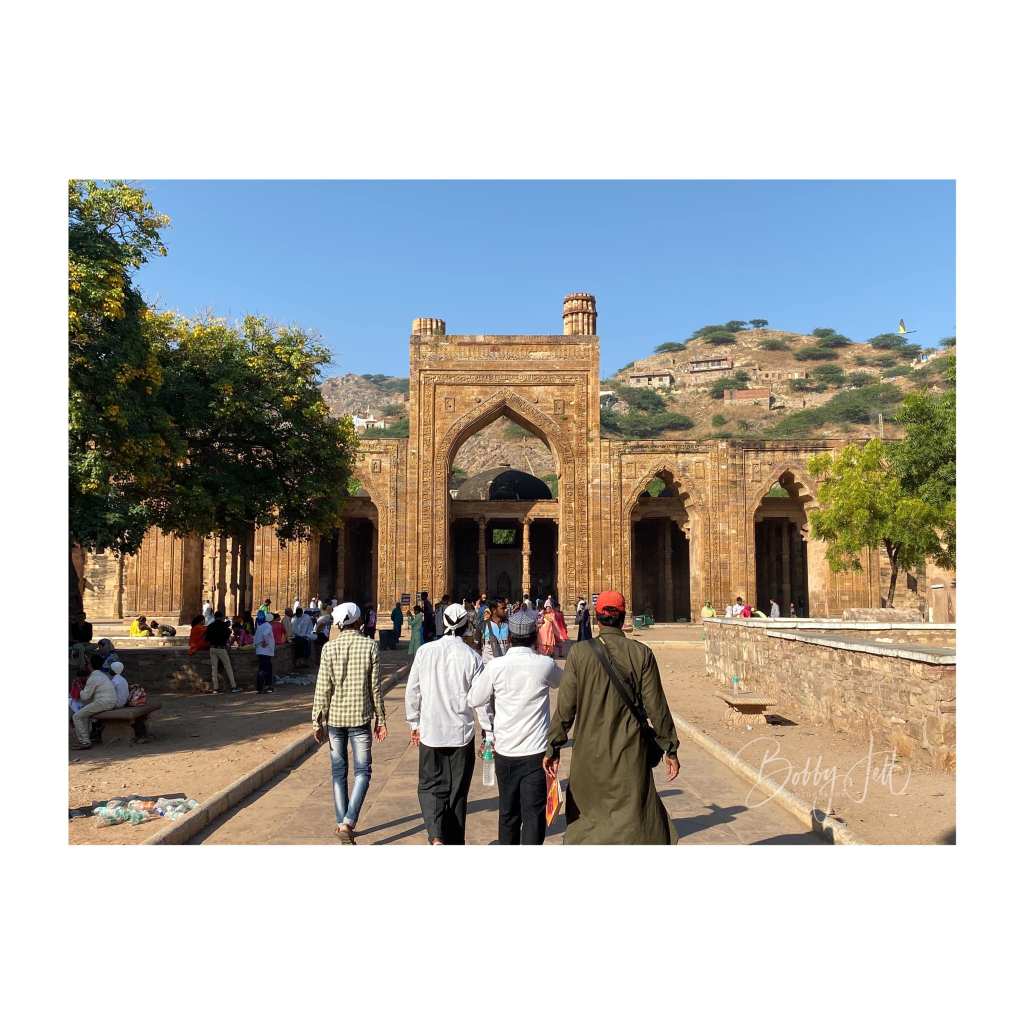
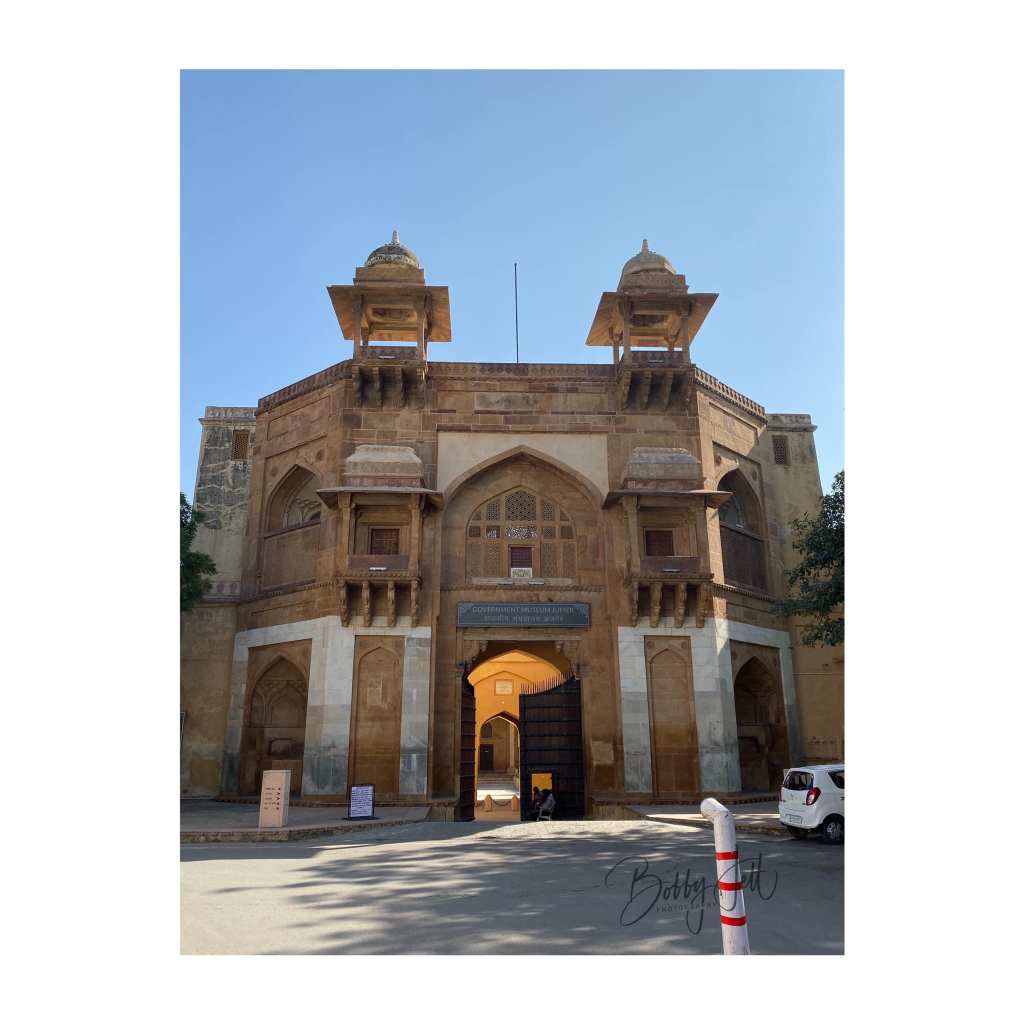
Just west of the shrine is the immense Adhai din ka Jhonpra. It was originally a Sanskrit college built in 1155, and was reconstructed into a mosque by Sultan Ghori in 1198. It is one of the most magnificent monuments of medieval India, especially known for the beauty of the ornate carvings and calligraphy. We also viewed the Edward Memorial Hall (now a museum) and the golden jubilee clock tower.

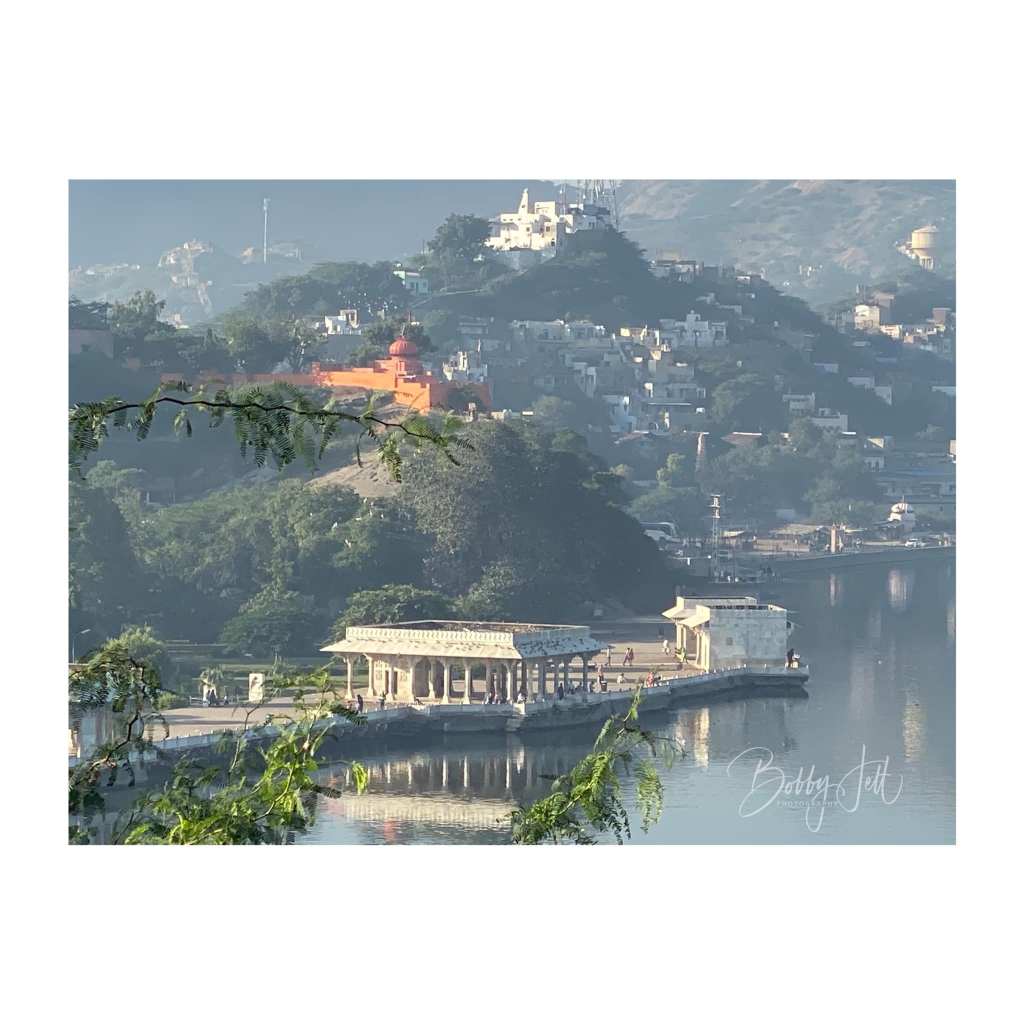
The gorgeous Anasagar lake is just another short walk away. It is almost 8 miles in circumference and contains Shah Jahan’s white marble embankment and pavilion. This is a common spot for local families and couples to stroll along the lake and gather for visits. The Massive Aravalli hills can be seen towering above the crystal-clear lake. The Taragarh (star fort) rises 800 ft above the lake and is an impressive sight to gaze up at while standing along the lake shore. Taragarh contains a mosque and shrine of Miran Sayyid Hussain, governor of the fort. It was also used as a sanatorium for by the British between 1860 and 1920.
That night I was treated to a delicious home cooked meal back at Badnor House. Ajmer is one of my favorite cities visited so far and I will take home very good memories of my visit here.
 INDIA: A ROYAL RAJASTHAN ADVENTURE WITH DELHI, VARANASI, GUJARAT and THE ANDAMAN ISLANDS.