
Varanasi, with a current population of 4.1 million, is the world’s oldest continuously inhabited city [thought to date back to 1200 BC], and one of the holiest in Hinduism. Pilgrims from the world over come to Varanasi to bathe in the Ganges or Mother Ganga to wash away their sins, to cremate their loved ones, or simply to wait to die here. It is believed that if one dies here and is cremated they will be liberated from the endless cycle of rebirth. It truly is a city teeming with life and death, and both brush shoulders here on a continuous basis.
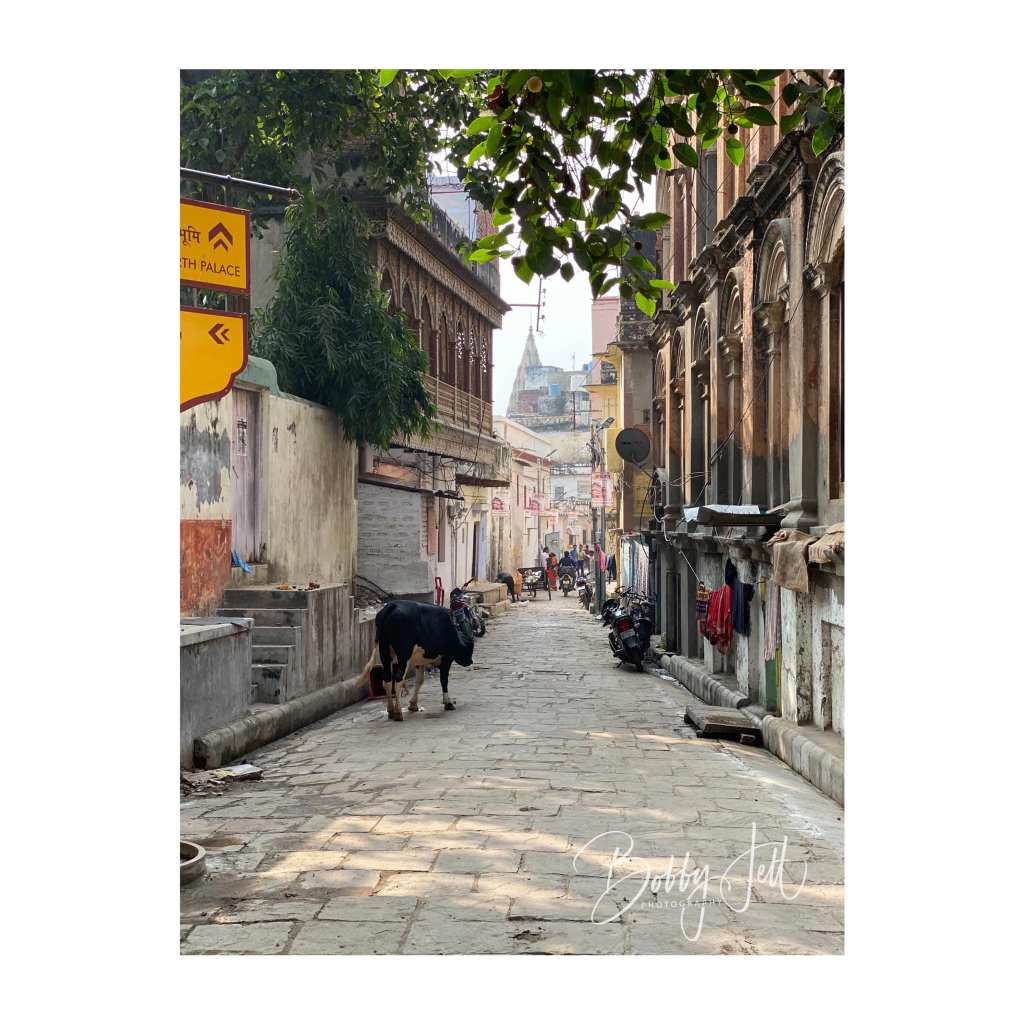
There are a total of 85 ghats, stretching from south to north along the Ganges. Ghats are a series of steep steps that lead from the inner alleyways down to the water’s edge. The Manikarnika ghat is probably the most famous, also referred to as the burning ghat. When a person dies here, they are carried on the shoulders of loved ones through the narrow alleyways, draped in colorful fabrics. Chants are sung as the body is maneuvered through crowds of people, scooters, motorcycles, rickshaw and cows. When the body reaches the burning ghat, it is first dipped into the water. Then the body is placed on burning pyre of wood. Sandalwood is the preferred wood as it covers any unpleasant smells from the burning body. But, it is also the most expensive. I believe it costs about $150.00 to buy enough wood to cremate a body. This is a very large amount for most Indians, so there is electric crematorium available to those who cannot afford the cost of a wood burning. An electric cremation costs $25.00 in comparison.
Interestingly, there is no crying during these cremations. They are seen as happy times as their loved ones are being released from their sins. Another fact I found interesting is that the dead bodies are handled by outcasts known as doms. These are the untouchables and are individuals that are avoided in life. But, the doms are the only ones who have access to the eternal flame that is used to start the fire, so everyone must go to a member of the outcasts to get the flame to burn their loved ones. While this is probably what most people think of when they visualize Varanasi, there is much more to this amazing city.
I was taken on an amazing tour by Anupam, a member of the Roobaroo Storytellers in Varanasi. I had used Roobaroo in Dehli prior so I knew I would be receiving outstanding service. Anupam did not fail to deliver! Not only was he a very pleasant chap, but his knowledge of Varanasi AND photography was a godsend. Being someone who loves to shoot photos, I was thrilled to be in such talented hands.
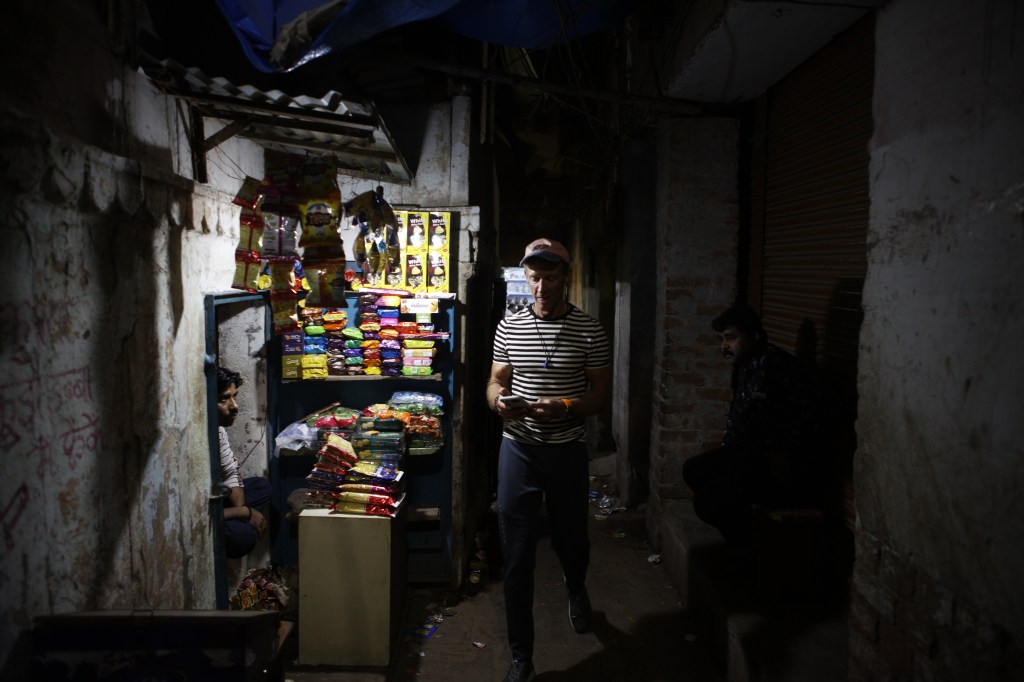
We started with a Street food walk that led us through the twist and turns of the back alleyways of the city. While the ghats and Ganges river may be foremost on everyone’s minds when they think of Varanasi, the alleyways are really the heart and soul. This is where all the various parts and parcels churn away that make the city the amazing place it is. During our food walk Anupam taught me various techniques to capture a variety of different photographs, using available lighting and angles that resulted in some amazing photos. I will be using many of his photos in this block as his work is outstanding. I had seen many of the foods we tried, from sweet to sour, tangy to spicy, on many youtube videos before leaving home. It was such fun to now get to taste these delicacies. I must admit many of the street foods didn’t sit well with me, but nevertheless it was fun to watch them being prepared. We ended the evening at the famous Blue Lassi food stand. This is literally a hole in the wall along one of the narrow alleys and is operated today by the grandson of the original owner. I chose a banana lassi and it did not fail to satisfy in spades. It was amazing and hard to describe, as it truly is a MUST sample food when one is in Varanasi.
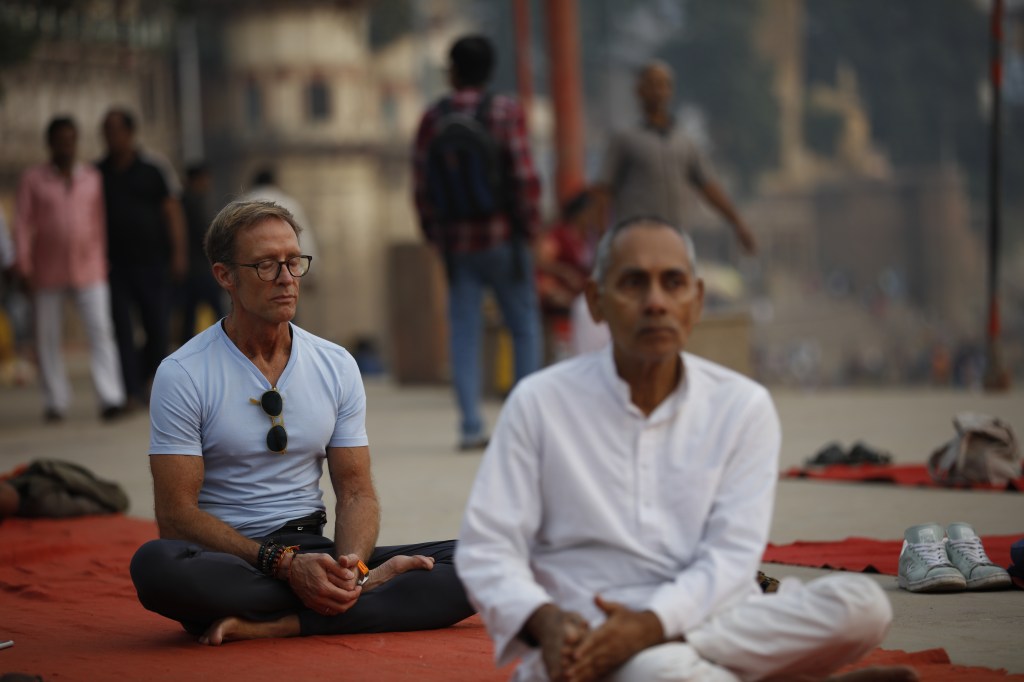
The next morning we got up very early and attended the morning Ganga aarti, Yagya and Yoga at Subah-e-Banaras at Assi ghat. I was actually staying very near Assi ghat Shivala ghat, as this is a much quieter area. Anupam explained to me that the people of Varnaris attended this each and every morning to wake up their body, minds and spirit. The activities involved morning prayers and songs, a morning aarti to wake up Mother Ganga and morning exercises of stretching and yoga. It really made so much sense! People of all ages, many very aged people attended and stretched their limbs with calisthenics and yoga. One very different section of the yoga was “laughing yoga” which involved everyone laughing loudly and uncontrollably, throwing our arms up in the air. After the 45 minute session I was wide awake and very refreshed! Anupam and I had a delicious chai afterwards that was loaded with fresh grated ginger. As this was Diwali, we parted ways to meet again the next day.
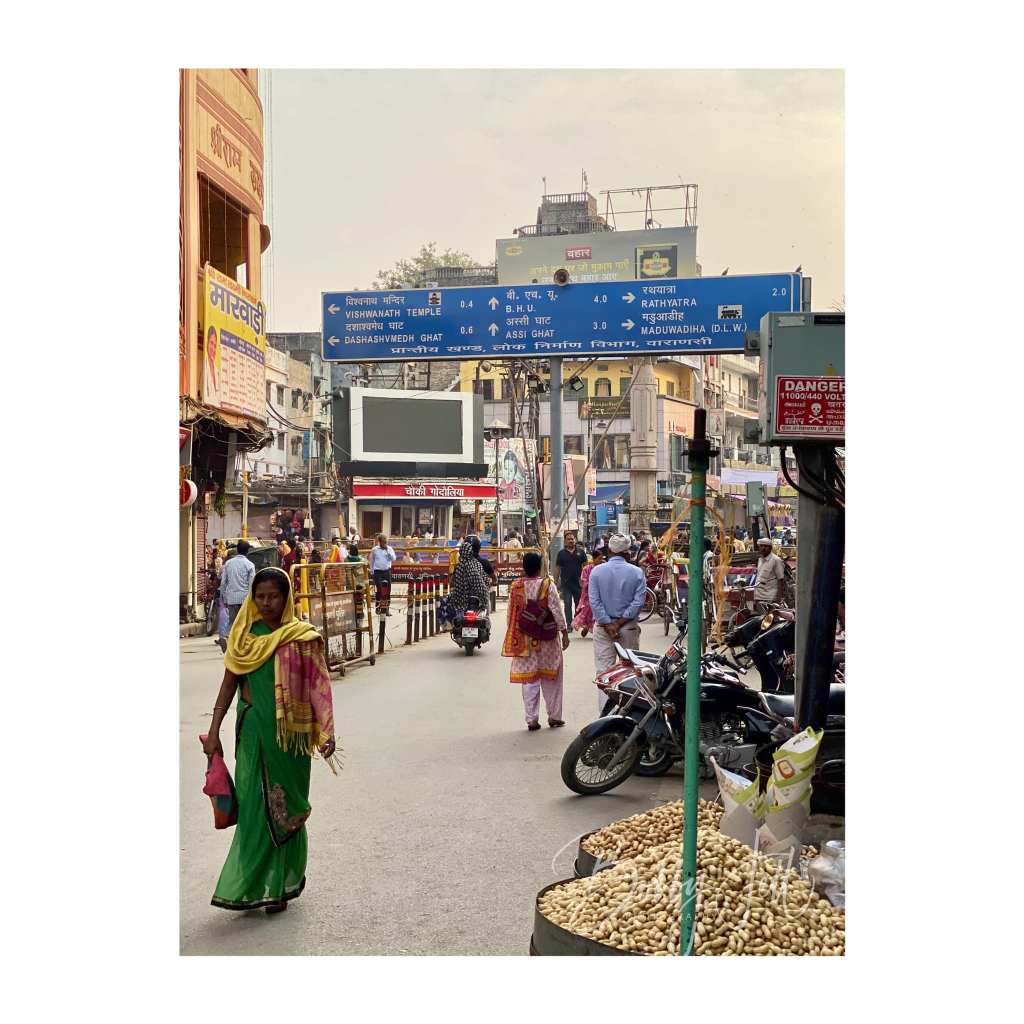
The next day we took various rickshaws through the city, crisscrossing from narrow alleyways to “Times Square”. Seemingly endless lines of people queued up in long lines to wait to enter the temple. While it tooks hours waiting in line, when people finally reached the temple they spent a mere 20 seconds walking past an alter before exiting the temple. It always amazes me the deep, devout devotion that is experienced by many people in India. I saw the same thing at the Kumbh Mela earlier this year in Prayagraj. We also visited Kashiraj Kali Temple, hidden away off a busy street down a narrow passageway. It was rebuilt in 1886 by the local king Ishwari Narayan Singh of the city. After the temple had been destroyed, Lord Shiva came in the King’s dream and told him that at this place he was buried. Cows grazed outside the temple, looking ancient in age and seeming to grow haphazardly out of the ground. Anupam explained the history of the temple beautifully, but at the moment I can’t remember what he told me but will add it later. We also visited the large flower market area and visited the wrestlers school, an area donated by a priest to teach young the ancient art of mud wrestling.
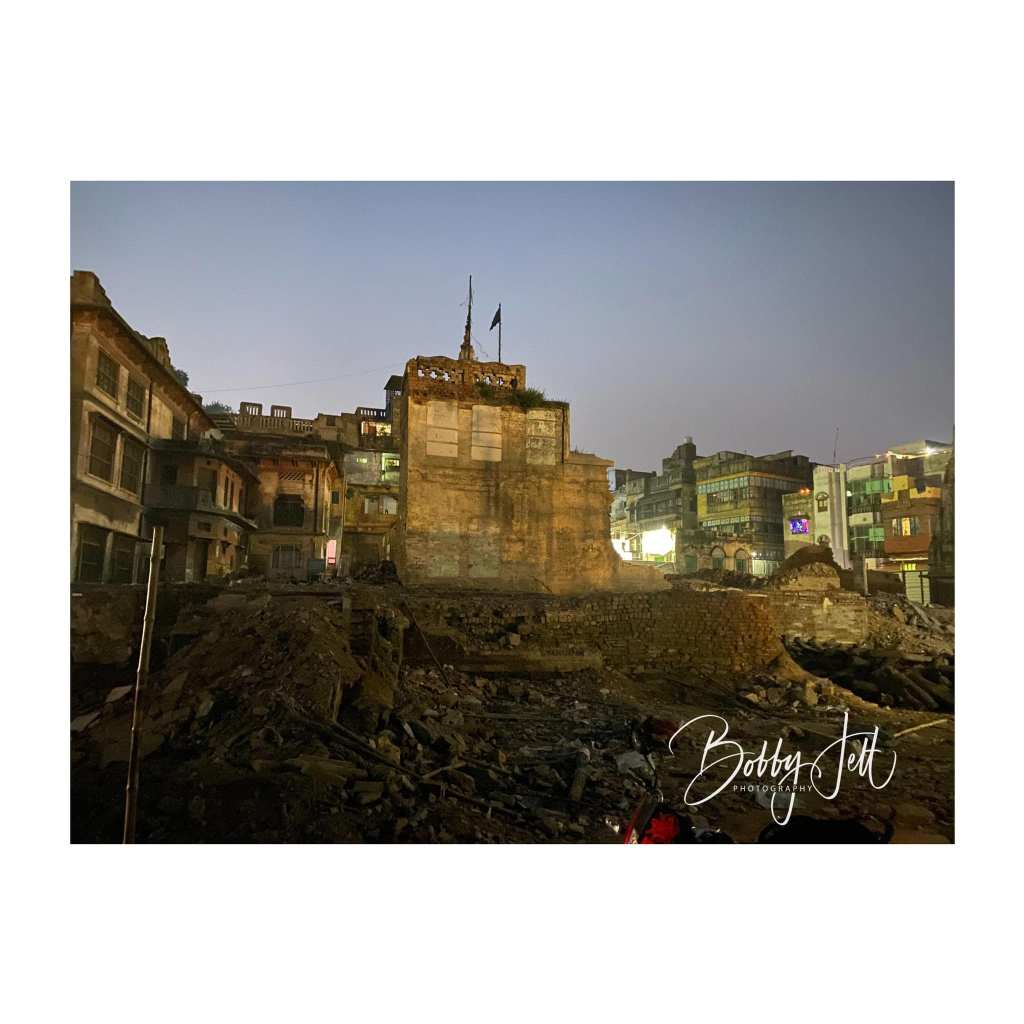
Later that evening we visited an area that is being razed to reveal many temples that have been hidden for years. Residents were paid 3x the worth of the property to relocate so that their houses could be bulldozed. The area looks like an area that has been bombed, with many large and small pointed temples rising out of the ground. This is very controversial as many residents have seen their family homes destroyed. It is really changing the landscape of a very large area of the city. So far more than 400 homes have been destroyed.
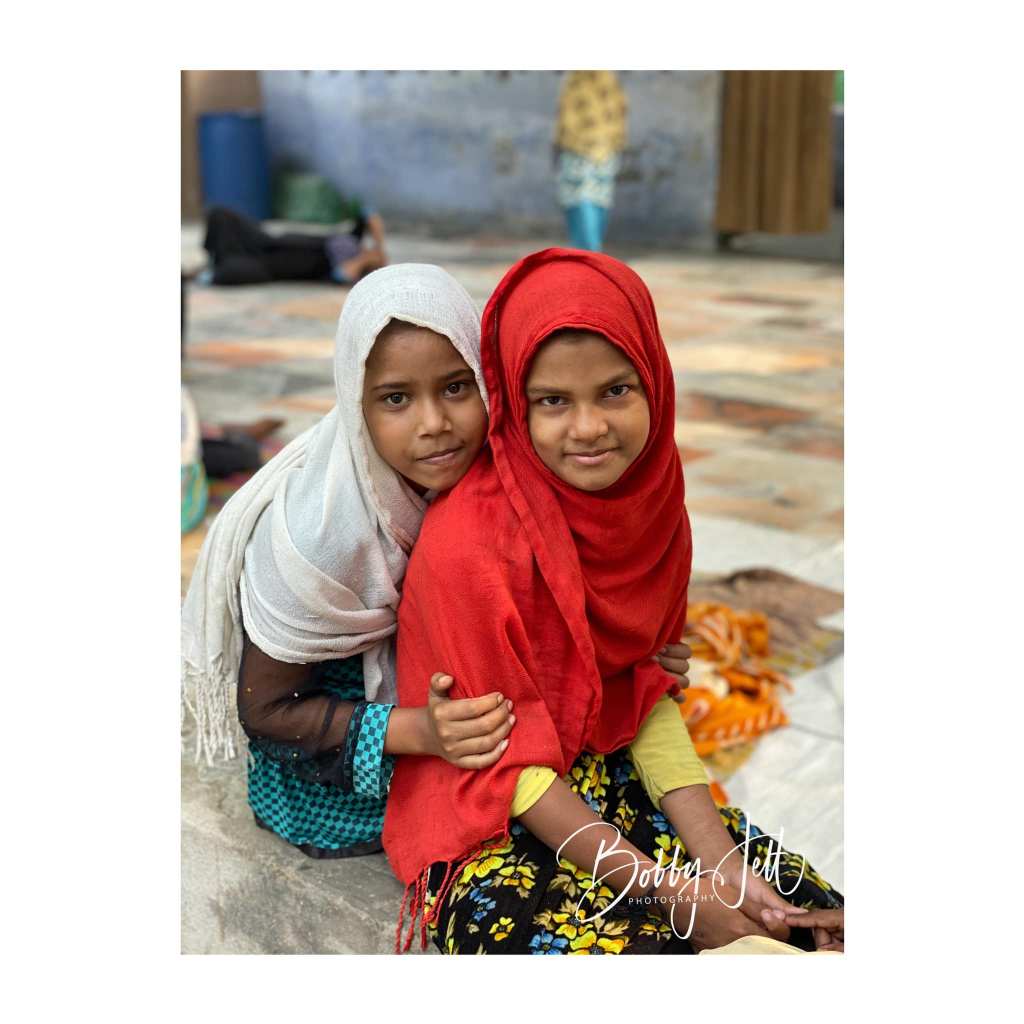
The next morning before leaving for the airport to fly to Jaipur we visited a Muslim area in Saraiya. The most obvious sign to me that we were now in a Muslim community was the abundance of meat and poultry stalls everywhere. We visited a Muslim graveyard and met some delightful children and residents of the community. This was my third trip to Varanasi, but Anupam really made this the most memorable visit I have had yet. I will definately be back and would encourage anyone visiting the city to reach out to Roobaroo Walking Tours for trip that won’t soon be forgotten.
 INDIA: A ROYAL RAJASTHAN ADVENTURE WITH DELHI, VARANASI, GUJARAT and THE ANDAMAN ISLANDS.